

Sustainability
American River College
ARC Master Plan sustainability statement
The future of the campus depends on its ability to manage its resources to maintain a vibrant campus that provides for the educational needs of students. Future development should focus on productive use of the natural resources, technology and construction methods to create a living, evolving campus that contributes to the environment and the community. The ARC campus should consider environment, economic and social impacts when planning for a sustainable future.
- Improve building energy efficiency in all new buildings, with one-half of campus buildings being net-zero energy users by 2025, and all new buildings constructed net-zero energy users by 2030.
- Encourage the use of technology and alternative energy sources, like solar panels, for power, lighting (parking lots, walkways), and hydronics, to support the creation of a sustainable campus.
- Create highly flexible spaces, especially for modernization projects, to accommodate changing space needs over time.
- Encourage other forms of transportation like walking, cycling, carpooling, and buses and shuttles by promoting convenience of accessibility and service to common destinations.
- Use landscape and structures to create shade on campus supporting connectivity and gathering and supporting the sustainability of the campus by reducing the heat island effect of the pavement surfaces.
- Document and communicate the sustainability of new development and improvements to the campus, i.e. energy and water consumption of new projects.
ARC Sustainability Plan (PDF)
This Sustainability Plan is a document intended to provide a framework for integrating sustainability intoinstitutional policy & practice at American River College.
Cosumnes River College
Winn Center
Project details coming soon.
CRC Master Plan sustainability statement
In addition to effectively meeting the programmatic objectives, projects should be designed to maximize sustainability and reduce long-term operating costs to ensure effective use of resources and provide an environmentally responsible academic setting. As a general goal, all projects should be designed to a minimum of Leadership in Energy and Environmental Design (LEED) silver standards. Strategies should be used to reduce energy and water usage and promote integrated waste management practices. The college should evaluate opportunities to generate energy such as the use of photovoltaics to offset long-term energy cost and to further improve sustainability by adding net zero energy, net zero water and net zero waste milestones when practical.
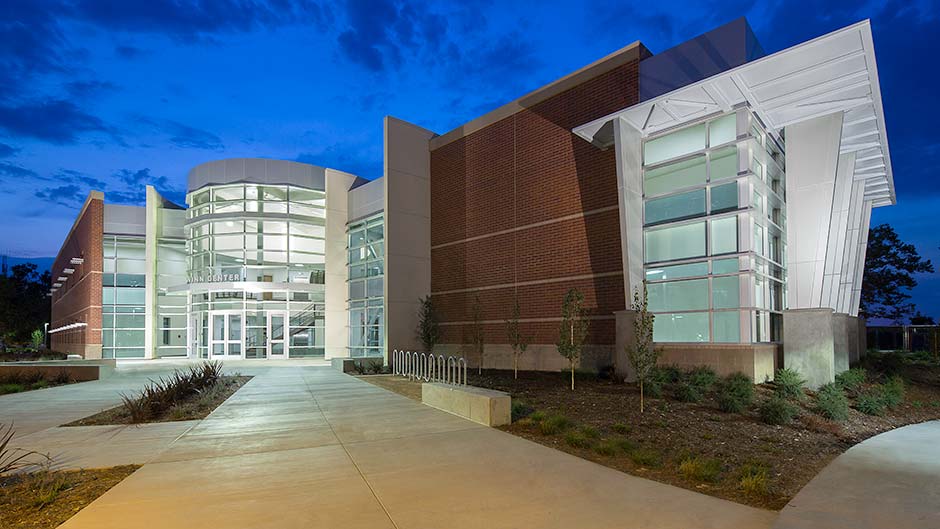 Exterior of CRC Winn Center at night.
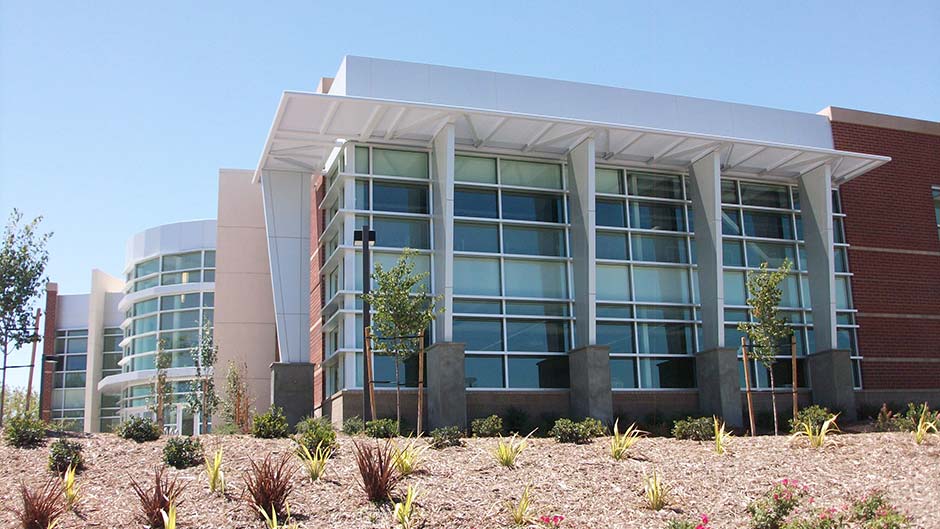 Exterior of CRC Winn Center (side).
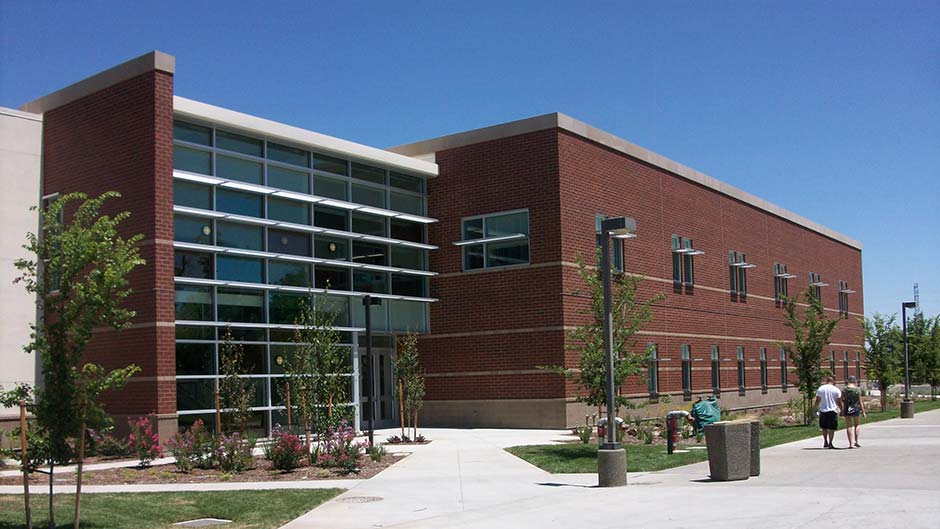 Exterior of CRC Winn Center (back).
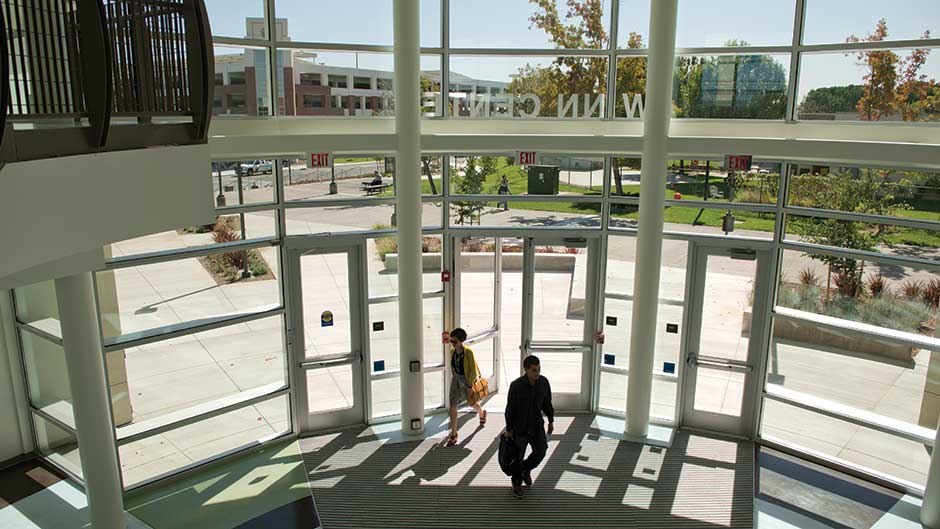 Interior of CRC Winn Center.
CRC Sustainability
CRC works to promote sustainability, increase understanding of our ethical responsibility to future generations, encourage respect for the environment, and assist the campus in its efforts to create an environmentally responsible academic setting.
CRC Campus Sustainability Committee
The Campus Sustainability Committee works to promote sustainability at CRC, in accordance with meeting the needs of the present generation, without compromising the ability of future generations to meet their own needs.
Folsom Lake College
FLC Master Plan sustainability statement
All future projects will be consistent with Los Rios Community College District’s goal of meeting the State of California Governor’s 2030 Greenhouse Gas Reduction Goals. Sustainability will be an important criteria for each new project individually and as it relates to the overall campus.
Sacramento City College
Sacramento City College is dedicated to incorporating sustainability into all new construction projects. By fostering collaboration and innovation, SCC ensures each project aligns with our broader sustainability initiatives, advancing a greener and more sustainable future for our community.
Davis Center
Pictures and project details coming soon.
SCC Master Plan sustainability statement
As the California Building Code and other agencies are mandating sustainable site, building, and infrastructure efforts in the future, the campus will need to include additional projects to comply with these requirements.
Zero Net Energy
As a state mandate, the campus must be providing 50% of its electrical power to existing buildings through renewable sources by 2030. Because Zero Net Energy (ZNE) is a District responsibility and not campus specific, several options for meeting the states ZNE mandate will be evaluated.
Water Management
Another element of Sustainability is manage water that falls on site. All means of water management will be evaluated with the goal of reducing water usage on campus. Future projects could include irrigation upgrades, water collection and reuse, water storage or use of raingardens or bioswales, to catch and filter water before it enters the storm sewers.
Natural Sciences Building
The Natural Sciences Building, completed in August 2023, was designed and built with sustainability in mind.
Designer
The Natural Sciences Building achieved LEED Gold certification. Design of the building paid particular attention to the building’s orientation for maximum daylighting and native gardens throughout the outdoor greenspaces surrounding the building. Furthermore, the proposed energy model for the Natural Sciences Building is anticipated to exceed Title 24 standards by 28% through several energy savings features including chilled water and heating hot water pumping systems with variable speed drives; manifolded laboratory fume hoods and general exhaust system with variable speed fan drives; an exhaust air heat recovery system; an aircuity control system utilized for sensing laboratory air quality and reducing lab air change rates during non-occupied periods, dependent upon actual lab air quality; efficient interior and exterior lighting systems; and optimized control sequences including static pressure reset, load-based discharge air temperature reset and economizer control.
Builder
Broward Builders was proud to deliver a newly constructed state-of-the-art facility, housing the college’s science programs achieving LEED Gold Standards.
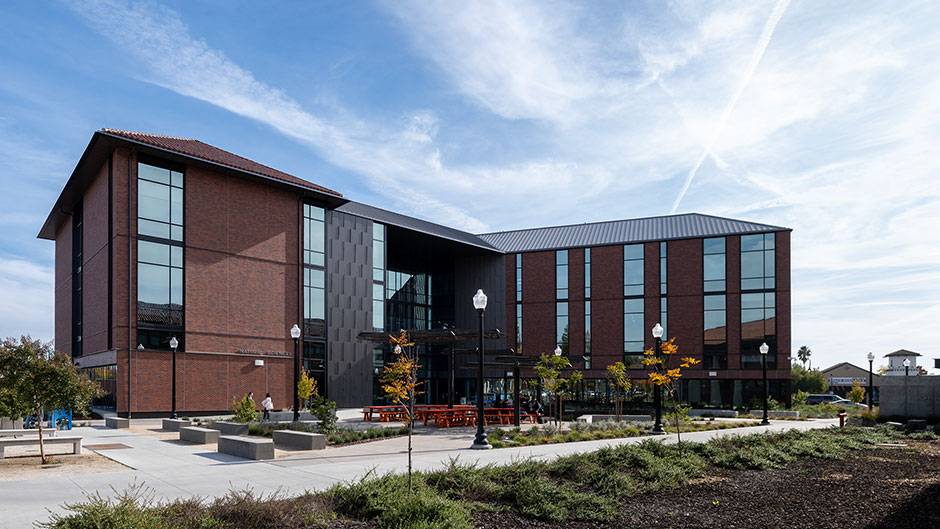 Exterior rendering of SCC Natural Sciences Building.
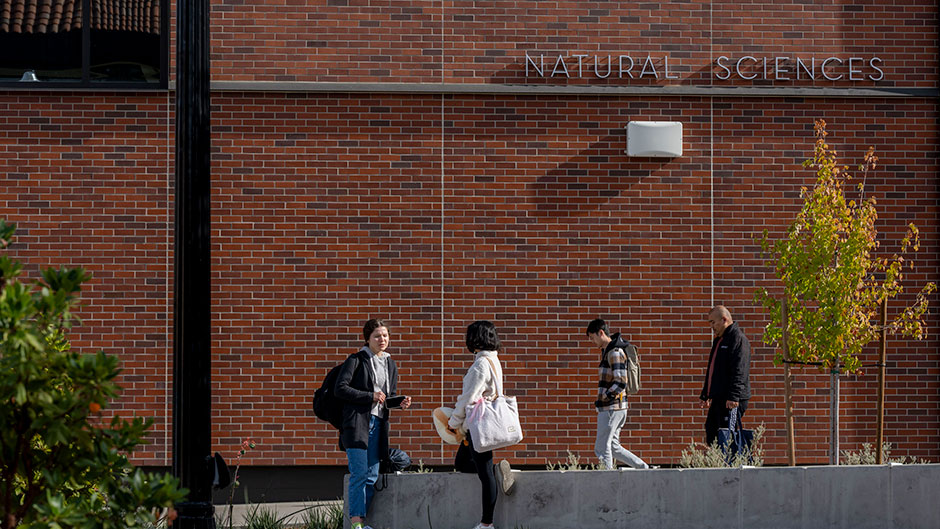 Exterior rendering of SCC Natural Sciences Building.
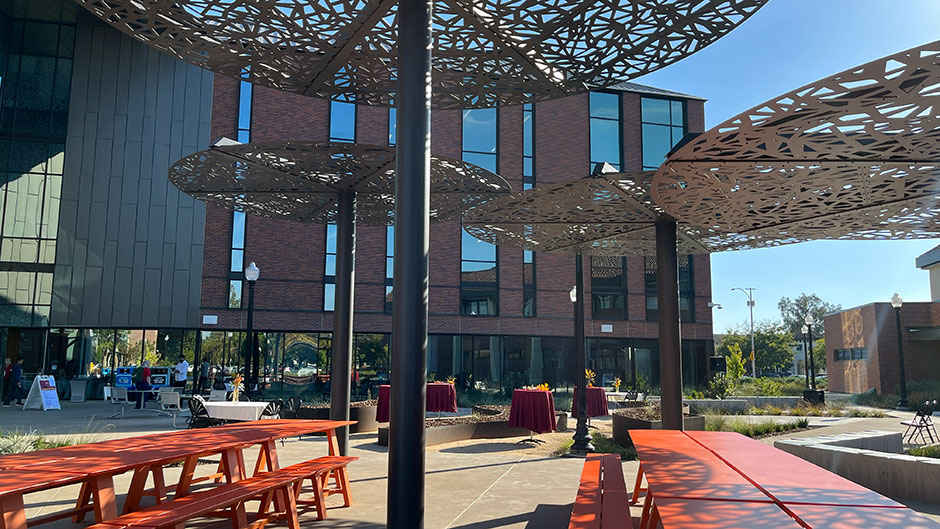 Interior rendering of SCC Natural Sciences Building lobby.
Regenerate @ SCC: The New Sustainability
To regenerate means to be reformed or reborn. That is exactly what we’re doing when it comes to sustainability on campus!
SCC Sustainability Committee
The Sustainability Committee will work with the campus community and make recommendations regarding projects and policies that promote environmental justice and sustainability. The committee creates and maintains campus sustainability initiatives and identifies practices that promote efficient, responsible, and equitable use of SCC resources.